"Dizzy" is one word for many different problems. The room may spin, you may feel unsteady while standing still, or you may come close to fainting. BPPV, Ménière's disease, problems in the neck, the brain or the heart can all show up the same way. That is why people with dizziness often go from clinic to clinic.
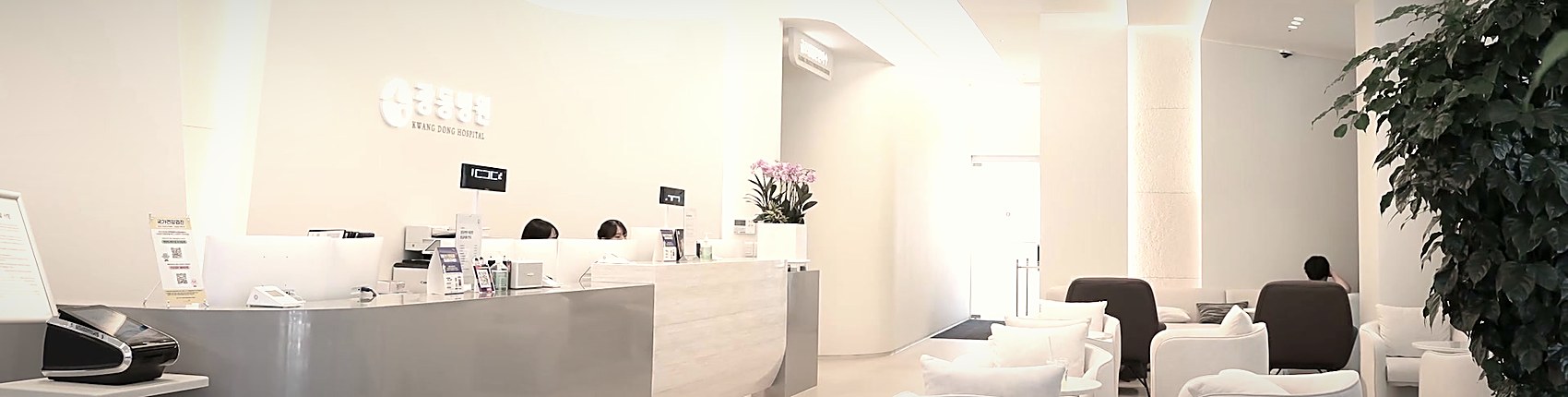
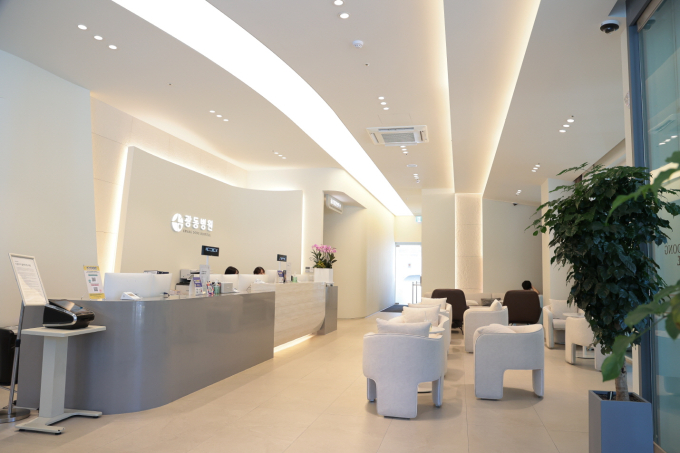
At Kwangdong Hospital, four departments look at dizziness together: Neurology, Rehabilitation Medicine, Korean Medicine and Internal Medicine.
Signs that it is worth a closer look
- The room spins around you.
- You feel unsteady even when you are still.
- You hear ringing in your ears and feel anxious.
- You have had palpitations, or have fainted before.
- You were treated for BPPV, but the dizziness remains.
- You are worried about falling.
Step one: find the cause
The first visit starts with a detailed history: when it happens, in what position, and how long the spinning lasts. Then only the tests that are needed are chosen from this panel:
- Vestibular function (VNG)
- Autonomic function (ANS)
- Balance and gait assessment
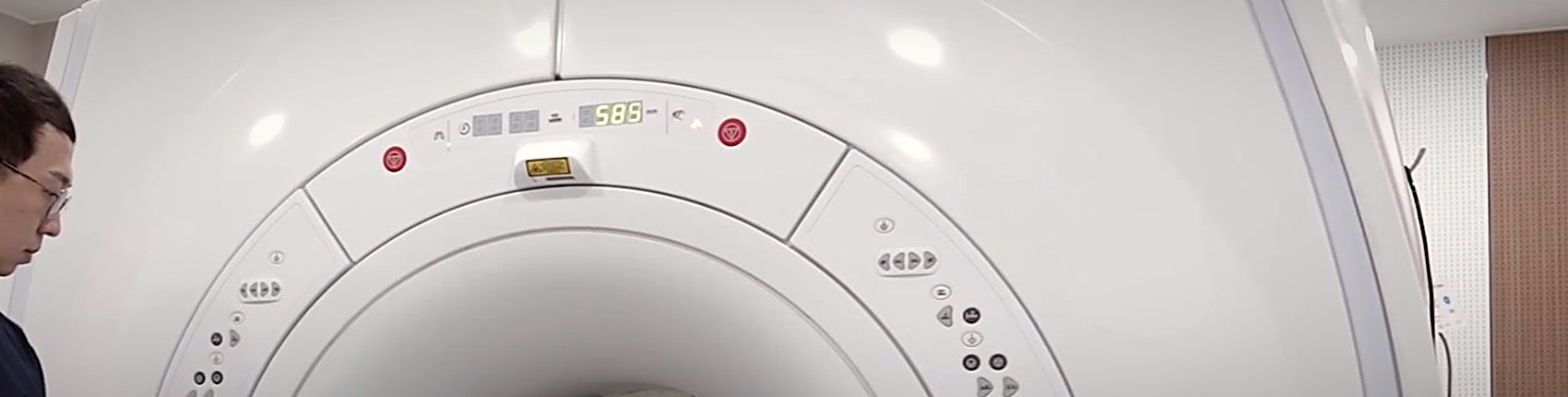
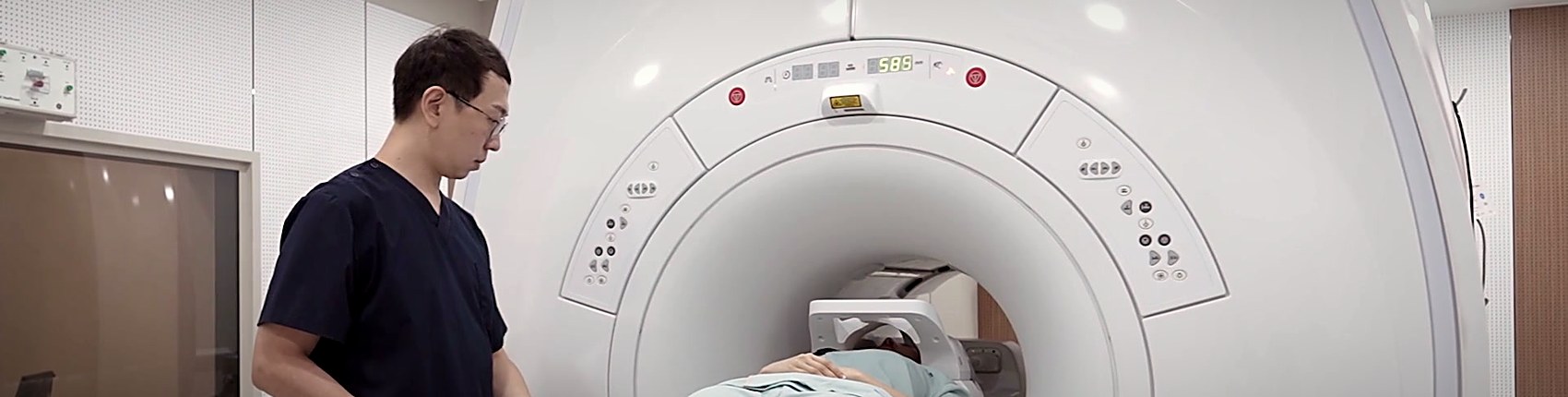
- Brain and cervical imaging (MRI, MRA)
- Blood tests, ECG and echocardiography
The vestibular and autonomic tests take about half a day. If imaging is needed it is scheduled separately. The four departments then read the results together.
Step two: treat the cause
Depending on what the tests show, treatment may be a repositioning maneuver, medication, acupuncture, Chuna or pharmacopuncture, or another medical correction. The same dizziness can need completely different treatment depending on where it comes from.
Step three: retrain balance
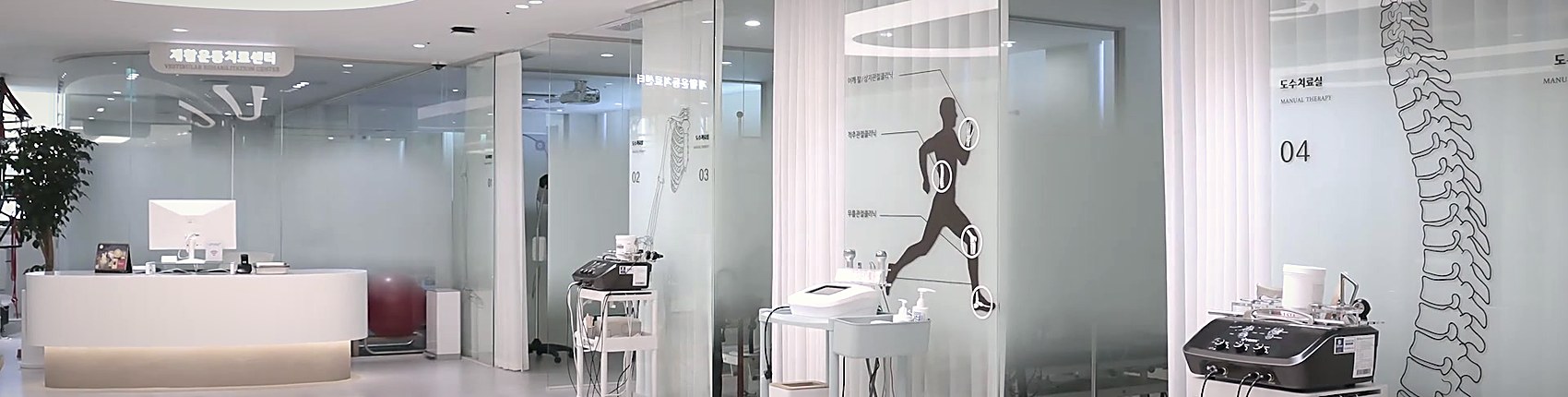
Vestibular rehabilitation takes place on the 5th floor, usually once or twice a week for four to eight weeks.
| Session | Length | Fee | Content |
|---|---|---|---|
| Vestibular rehabilitation | 50 min | KRW 170,000 | Balance assessment and training, VOR training, habituation exercises |
| Strength rehabilitation | 60 min | KRW 120,000 | Core strengthening, aerobic exercise, sensory stimulation |
VNG testing before and after rehabilitation shows how much has changed. Tests are quoted separately.
Frequently asked questions
If it is BPPV, isn't a repositioning maneuver enough?
A repositioning maneuver such as the Epley is the first-line treatment. Residual dizziness and recurrence can remain, so VOR training, habituation exercises and balance training usually continue for two to six weeks.
Is Korean medicine part of the treatment?
When it helps. Acupuncture, Chuna and pharmacopuncture are added to ease tense muscles, rebalance the autonomic nervous system and improve circulation.
How many sessions will I need?
Usually one or two a week for four to eight weeks. A before-and-after assessment decides whether to continue.