Programs

Chronic Pain Recovery

Chronic Pain Recovery
Program / No.04 / Orthopedic Pain & Rehabilitation Center

Three months of pain,
and still the same treatment
every time?

Pain that lasts more than three months often involves problems of the nerves, muscles and immune system together. Kwangdong Hospital does not stop at switching the pain off for a while; treatment continues through the recovery of damaged tissue and movement.

ProgramNO.04Chronic Pain Recovery
CenterOrthopedic Pain & Rehabilitation CenterSignature program
Floor3F · 5F
FormatIntegrated packageDiagnosis + 5 regenerative + 5 exercise sessions
FeeKRW 1.2–1.65MIntegrated package plus extrasComposition and sessions tailored to you
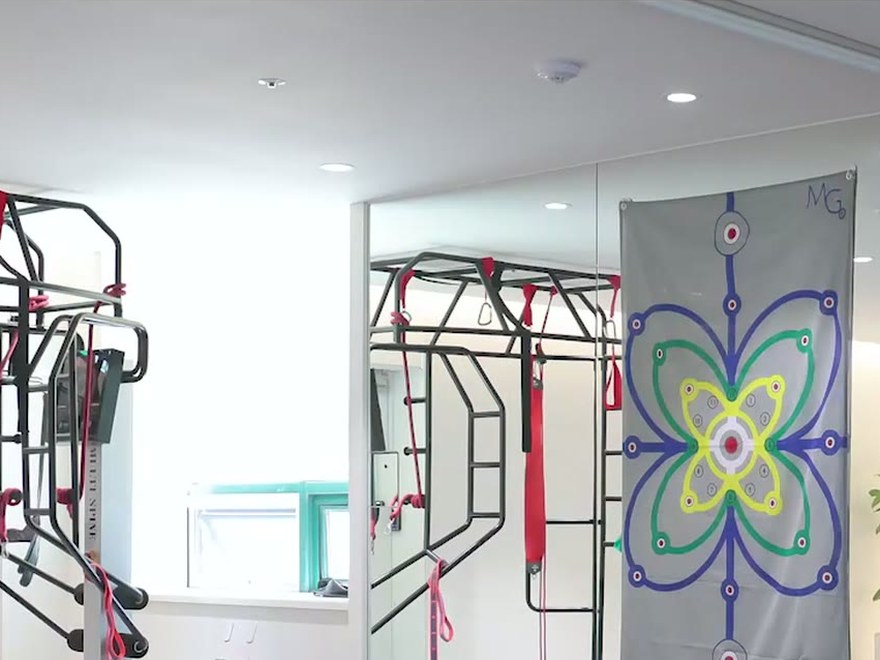
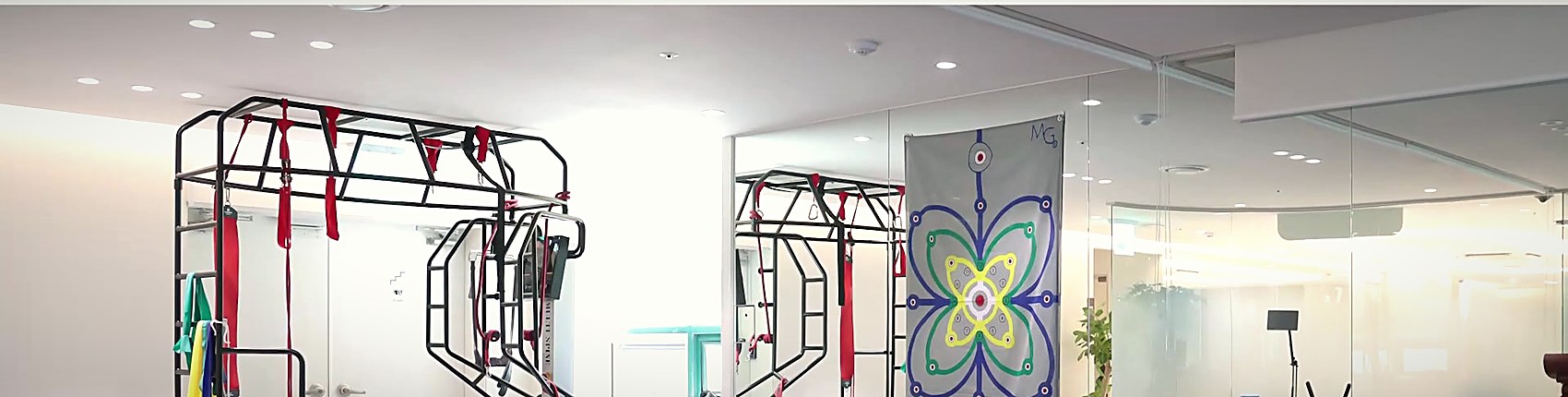
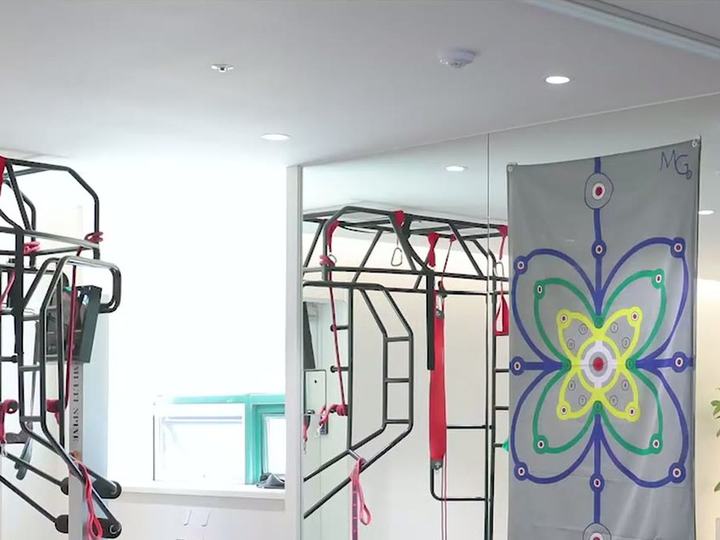
Exercise therapy room with Redcord and exercise equipment
3F · 5F/5F exercise therapy room · Where the 12-session course continues
Who it is for

If treatment helps
only while it lasts.

When the same area keeps hurting, it is a sign that the cause is still there.

01The same spot has hurt for more than three months
02I cannot get through the day without painkillers
03Tests say nothing is seriously wrong
04I have been to several hospitals and got the same answer
05Pain keeps me from sleeping well
06I have been diagnosed with a rheumatic or autoimmune condition
What is included

It runs as
a 12-session course.

Assessment → treatment → rehabilitation → return, all in one course. Your condition is recorded and the plan adjusted at every session.

Step 01

Precision diagnosis package

1 SET
  • X-ray · MRI · CT imaging
  • Autonomic nervous system testing
  • Pain-related blood tests (inflammation · biomarkers)
  • In-depth history and sarcopenia assessment
Ask about this option
Step 02

Regenerative treatment

5 sessions
  • PRP
  • PDRN
  • Prolotherapy
  • Collagen
  • Shockwave therapy (ESWT)
  • Non-steroidal. Combined to suit your condition.
Ask about this option
Step 03

Exercise therapy + progress evaluation

5 sessions
  • Strengthening
  • Aerobic exercise
  • Stretching
  • Posture correction
  • AI movement analysis
  • Monitoring of pain intensity, strength and function, and body composition
Ask about this option

The composition and duration may be adjusted to the individual after consultation. Non-covered items are included; details are provided at the time of reservation. Fees may vary with the test schedule and insurance coverage.

Treating pain is not about adding medication,
but about rebuilding the capacity to recover.

Dr. Sang-Hoon Shin, Center Director · Rehabilitation MedicineWith Rehabilitation Medicine at the center, Neurology, Internal Medicine, Functional Medicine and Korean Medicine work from the same chart toward the same goal.
How it works

Before where it hurts,
we look at why.

It all continues inside one building. You never leave for a test or a consultation.

01In-depth history

We start by listening to where you have been treated, how, and how you responded.

02Precision diagnosis

Imaging, autonomic testing, inflammatory blood work and sarcopenia assessment. Unnecessary tests are avoided.

03Regenerative treatment

Non-steroidal treatment encourages damaged tissue to recover.

04Exercise therapy

Re-educating whole-body movement, not just the painful area, to reduce recurrence.

05Progress evaluation

Pain, function and body composition are re-measured, and the treatment plan is reset with other departments if needed.

Videos · Press · Patient stories

Videos and press coverage
on this subject.

From Kwangdong TV videos, press coverage and patient stories, we picked only those related to this program. Articles written by our doctors are in 05 Journal just below. Linked content is in Korean.

Kwangdong TV · YouTube (Korean)Videos · Press · Patient stories
Exercise rehabilitation room with suspension training framesKwangdong TV (Korean)

Musculoskeletal pain: prevention & treatment from the root

It starts by separating where it hurts from what made it hurt.

2025.12.04 · Kwangdong TV→
Exercise rehabilitation room with suspension training framesKwangdong TV (Korean)

Controlling pain without surgery? The story behind Kwangdong Hospital’s PRP autologous blood treatment

Indications and limits are explained together. It is not a treatment for every kind of pain.

2025.09.04 · Kwangdong TV→
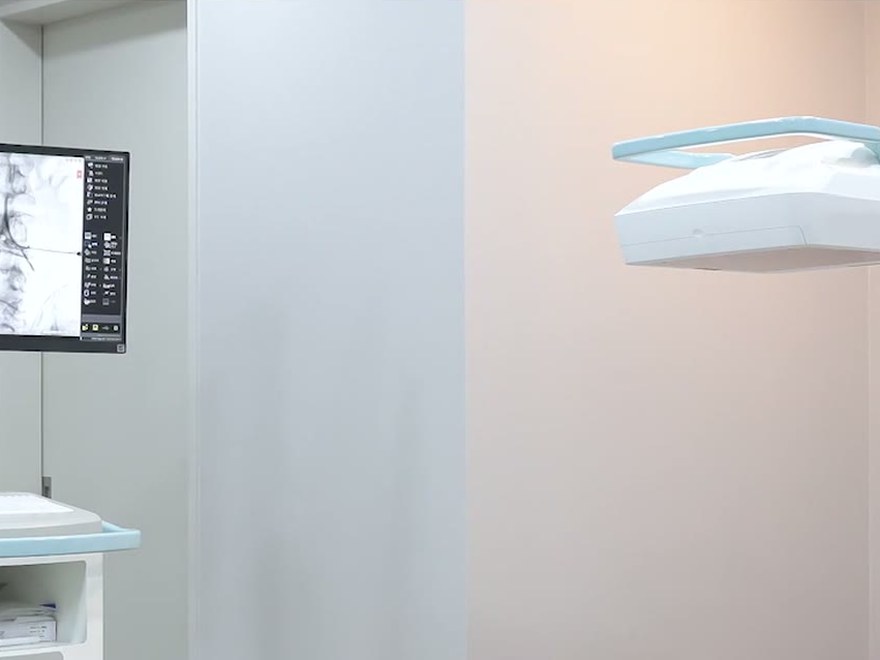
Examination room with an imaging monitorKwangdong TV (Korean)

Forward-head neck pain: a sign of a cervical disc? Pain-relief stretches from a Korean medicine doctor

Built around movements you can check and follow at home.

2025.09.10 · Kwangdong TV→
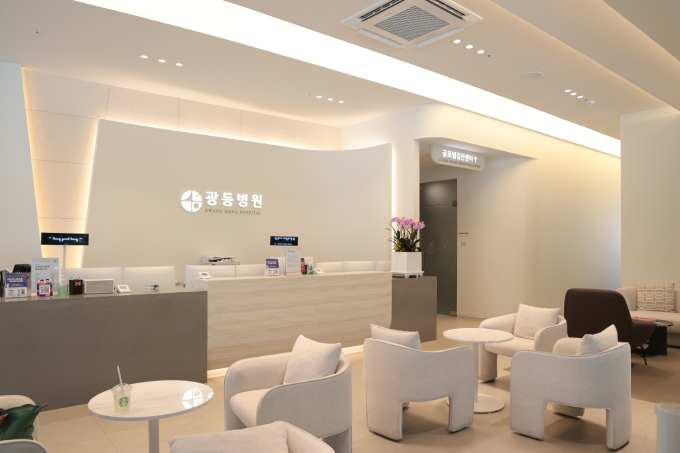
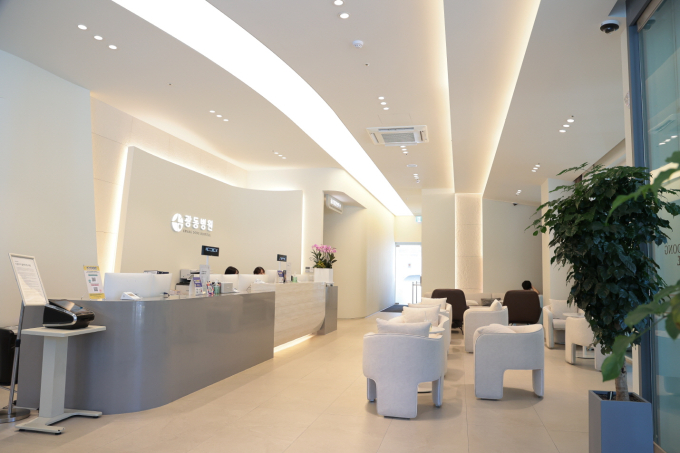
First-floor reception and waiting lounge at Kwangdong HospitalKwangdong TV (Korean)

“Are my muscles okay?” A must-watch if you are over 50

The criteria for sarcopenia and how to check yourself.

2025.05.21 · Kwangdong TV→
Kwangdong Hospital sign on the building exteriorPress (Korean)

Tennis elbow and golfer’s elbow turn chronic if ignored: early treatment matters

On where the fork between early and chronic lies.

2026.09.28 · Press→
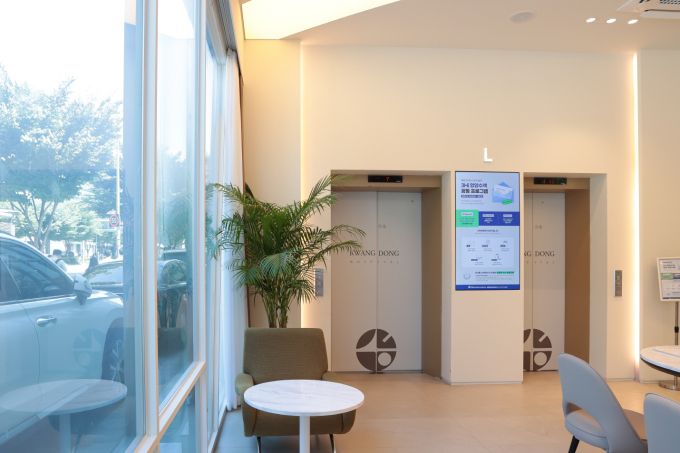
Elevator lobby with seatingPress (Korean)

Forward head syndrome: beyond posture, an effect on lifespan

Coverage of the chain reaction that posture sets off.

2025.10.13 · Press→
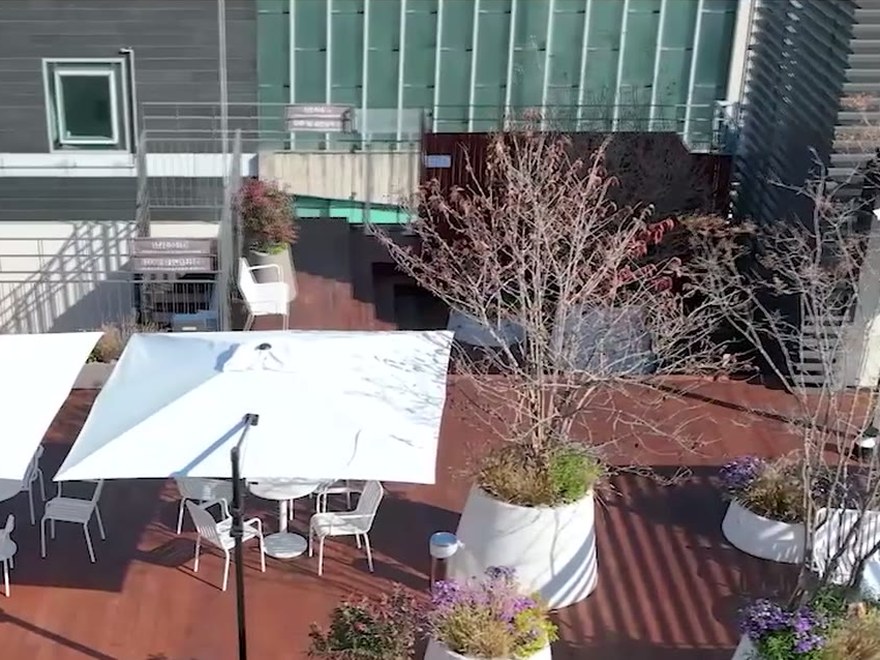
Rooftop garden terrace with tables and parasolsBaekse Health (Korean)

Sarcopenia, a major disease of old age: active prevention and treatment needed

A contribution that treats muscle loss as a disease.

2025.09.01 · Baekse Health→
Private inpatient roomPatient stories (Korean)

“I thought I would never walk again…” A patient’s record of rehabilitation after accident surgery

A video in which the patient describes rehabilitation after surgery in their own words.

2025.07.09 · Kwangdong TV→
First-floor reception and waiting lounge at Kwangdong HospitalPatient stories (Korean)

Patient stories from the Orthopedic Pain & Rehabilitation Center

The center with the most patient stories, with records collected stage by stage.

2026.09.02 · Patient stories→

All videos, press items and stories here are material Kwangdong Hospital has already made public, and titles, dates and sources are carried over as in the original. Linked content is in Korean.

Chronic and intractable pain · From the Journal

Pain is not
just a signal.

Articles explaining how Rehabilitation Medicine looks at and treats chronic pain.

Kwangdong Hospital JournalGuides for international patients · 4 articlesOpen the Journal
Frequently asked questions

Good to know
before you book.

QWhy is three months the threshold?+
Pain lasting more than three months can sensitize the central nervous system and lead to muscle atrophy, autonomic imbalance and sleep disturbance. That is why we treat these connected problems along with the painful area.
QIs regenerative treatment different from steroid injections?+
Yes. It is non-steroidal and encourages damaged tissue to recover. PRP, PDRN, prolotherapy, collagen and shockwave therapy are combined to suit your condition.
QDo I have to have every test?+
No. Tests are chosen according to your condition, and only the tests that are needed are done.
QWill I see other departments as well?+
Your attending rehabilitation physician decides, and Neurology, Internal Medicine (rheumatology), Functional Medicine and Korean Medicine join your care as needed.
QHow much does it cost?+
The integrated package of precision diagnosis, 5 regenerative treatments, 5 exercise therapy sessions and progress evaluation is KRW 1.2–1.65M plus extras. Composition and number of sessions are adjusted to your condition.

Not treatment that switches pain off,
but treatment that restores.
Book a visit or checkup→